Lake Venues · 11 min read
How to Plan a Lakefront Wedding: A Complete Guide for Couples
A step-by-step planning guide for couples dreaming of a lakefront wedding — venue selection, dock ceremonies, weather backups, timelines and guest logistics.
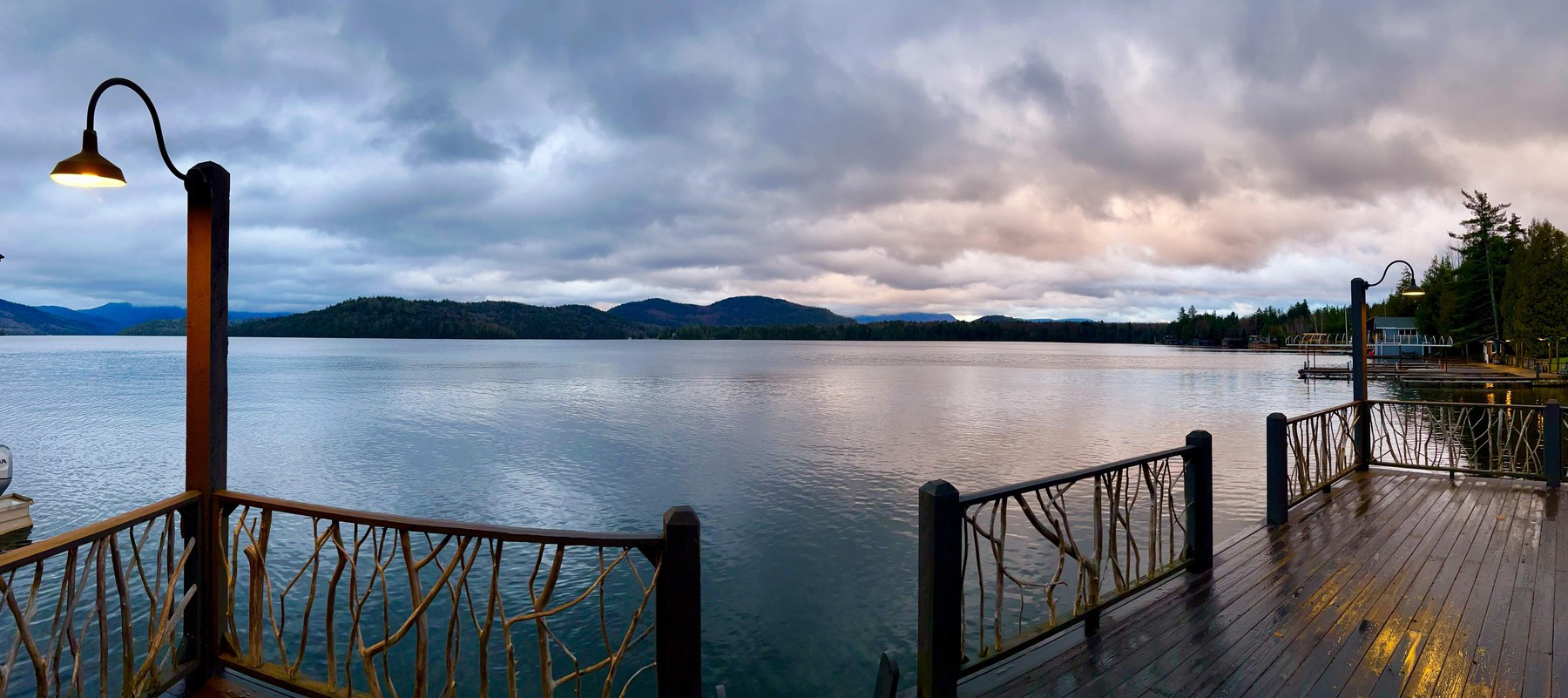
Few venues rival the natural romance of a lakefront wedding. The reflection of the sunset on still water, the sound of loons at twilight, and the intimacy of a shoreline aisle create an atmosphere no ballroom can replicate. But planning a lake wedding is different from planning a hotel or city wedding — it involves a longer guest experience, more moving parts, and a stronger connection to weather, seasons and geography. This complete planning guide walks through everything couples need to know: choosing a lake venue, structuring the ceremony and reception, designing the guest experience, and preparing for the logistical realities of a destination-style weekend. You can browse curated properties in our directory of Lake Wedding Venues before you start.
1. Choose the Right Type of Lake Venue
Lake wedding venues fall into three broad categories. Grand resorts — think Sagamore, Whiteface Lodge, Edgewood Tahoe or Big Cedar Lodge — provide full-service coordination, hundreds of guest rooms, and multiple ceremony/reception spaces on one property. Boutique lodges and inns (Lake Placid Lodge, Migis Lodge, The Lake House on Canandaigua) offer intimate weekend buyouts for 40–120 guests with a highly personal feel. Private estates and cabin compounds (Estate at Cherokee Dock, Piney River Ranch) let a smaller group have exclusive use of a signature lakefront property. Match the venue type to how you want the weekend to feel, not just to your guest count.
2. Get Realistic About Guest Logistics
Most lake venues sit 60 to 120 minutes from a major airport. Build a Getting Here page into your wedding website with the closest airport, driving times, ride-share reliability, and a recommended arrival time. If more than 40% of your guests are travelling, book shuttle service for at least the ceremony and welcome party — winding lake roads at night are the number one guest-experience complaint at rural venues. Consider blocking rooms across two or three tiers of lodging: on-site rooms for the wedding party and immediate family, mid-tier lakefront cabins for close friends, and a nearby town hotel for budget-conscious guests.
3. Plan for the Weather Backup Honestly
Every lakefront ceremony needs a weather backup — wind and thunderstorms roll off the water faster than they roll off farmland. The best venues offer an indoor plan that is equally beautiful: a covered pavilion, a great room with lakeview windows, or a heated tent. Ask to see photos of real weddings that used the backup site. Confirm the deadline for calling the backup (usually noon on the wedding day) and whether décor already staged outdoors can be moved. If the venue's rain plan is a windowless conference room, keep searching.
4. Design a Ceremony That Uses the Water
The whole point of a lake wedding is the water — put it in the frame. Options include: a shoreline ceremony with guests seated on a sloped lawn and the arch backing to the lake; a dock ceremony with a floating aisle extension; an overlook ceremony from a bluff or pavilion above the shore; or an on-water arrival where the couple arrives by canoe, pontoon or sailboat. Plan the ceremony start time 75 to 90 minutes before sunset so the golden hour hits during the recessional and portraits. If you're on an east-facing shore, run a sunrise first look for lower-light drama.
5. Build a True Weekend Timeline
Because most guests travel, a lake wedding is really a three-day event. Thursday: welcome dinner or lawn games for the wedding party and early arrivals. Friday: rehearsal, followed by a welcome party — a lakeside bonfire or dockside cocktails works better than a formal seated dinner. Saturday: wedding day, with generous morning downtime (paddleboards, pontoon rides, pool). Sunday: farewell brunch, ideally lakeside, wrapping by noon so guests can travel. A rushed one-night lake wedding is the most common regret couples share.
6. Style for the Setting, Not Against It
The setting does most of the decorating. Lean into it with organic florals in blues, whites and soft greens; lanterns and Edison bulbs for the reception; wooden signage; and dinnerware that echoes the natural palette. Avoid overwhelming the space with heavy structural florals or bright saturated colours that fight the water backdrop. For dockside cocktails, use weighted glassware — lake breezes are real — and avoid loose paper menus, place cards or ribbons unless they're secured.
7. Feed Guests Around the Water
The most memorable lake wedding menus are seasonal and regional. Adirondack venues shine with maple, apple and game; Tahoe pairs beautifully with California-influenced cuisine; the Ozarks and Missouri lean into wood-fired and BBQ traditions; Northwoods lodges feature Great Lakes fish and cast-iron desserts. Ask your venue for a menu tasting that reflects the season your wedding falls in — a July tasting for an October wedding will not reflect what your guests actually eat. Plan a late-night s'mores station or lakeside dessert bar; it's the single most Instagrammed part of most lake weddings.
8. Manage Bugs, Sun and Comfort
Provide bug spray stations in decorative baskets at the ceremony entrance in warm months, and ask the venue about their mosquito control programme (most premium venues fog the property the morning of an event). Offer parasols or ceremony fans for hot afternoons, and pashmina wraps at the reception entrance for cool lakeside evenings. Sunscreen, water stations and shade tents at cocktail hour materially improve guest reviews.
9. Photography & Video Considerations
Book a photographer familiar with lake conditions. Ceremony light travels differently over water — the sun sets faster than it does inland, and boat wakes can cause reflection changes second by second. Plan portrait windows for both the golden hour immediately after ceremony and a blue-hour session on the dock or with lanterns. Drone footage of a lake wedding is exceptional if the venue permits it; check FAA and property restrictions in advance.
10. Legal, Permits and Boat Traffic
Some lake venues require additional permits for fireworks, sky lanterns, boat send-offs and amplified music after 10pm. Confirm what's included versus what you need to apply for. If the ceremony is on a public shoreline or dock, ask whether boat traffic is restricted during your ceremony window (many resorts control this through their marina).
11. Budget Realistically
Lake weddings often cost more than couples expect because the guest experience runs across multiple days. Build the budget around a two-night stay for the wedding party and one-night stay for all other guests, plus transportation and a welcome event. In return you get an experience closer to a private destination wedding without international travel. Weekday and shoulder-season dates typically reduce venue and lodging costs 15–25%.
12. Start With the Right Venue
Every decision above is easier when you start with a venue that has done hundreds of lakefront weddings. Browse curated lakefront resorts, lodges and private estates in our Lake Wedding Venues directory, and shortlist three to five properties whose planning teams already have a proven weekend playbook.
Final Thoughts
A lakefront wedding is one of the most immersive experiences you can give your guests — a setting that changes with the light, a weekend rhythm that lets everyone truly relax, and photographs that no urban venue can produce. Plan it like a destination event, protect the outdoor ceremony with a serious backup plan, and let the water do most of the decorating. Do those three things, and your lake wedding will feel effortless.
Featured venues
No. 01 · Lake Wedding Venue
Lake Placid Lodge
Lake Placid, NY
Hand-hewn Adirondack Great Camp craftsmanship commands the tranquil edge of Lake Placid beneath Whiteface Mountain’s granite peaks.
Tucked among whispering pines on the quiet western shore, this iconic lodge embodies true Adirondack Great Camp artistry with hand-carved cedar beams, river-stone fireplaces, and bark detailing. Ceremonies set on the lakeside dock offer uninterrupted vistas across calm mountain waters toward the imposing silhouette of Whiteface Mountain. Intimate wedding dinners highlight farm-to-table cuisine in wine-cellar dining rooms or on candlelit terraces warmed by outdoor braziers. Guests can explore the water aboard a custom wooden craft before retiring to cabins warmed by crackling wood hearths.
Flexible · intimate to 250+ guests · View venue →
No. 02 · Lake Wedding Venue
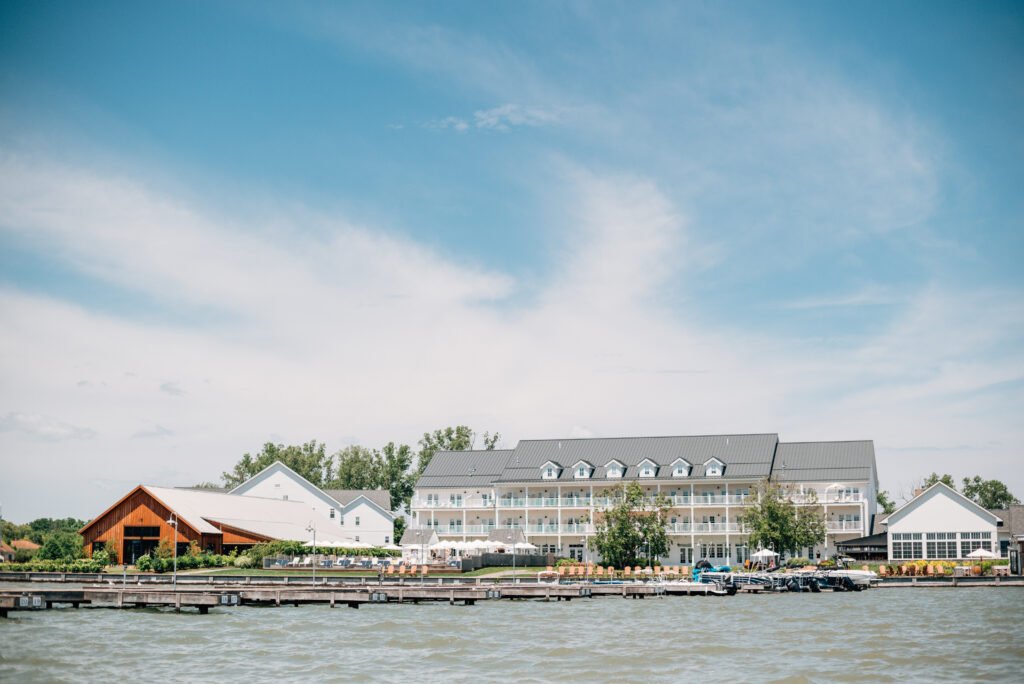
The Lake House on Canandaigua
Canandaigua, NY
Modern timber design and landscaped shoreline lawns frame stylish waterfront celebrations in the heart of the Finger Lakes.
Set along the northern shore of Canandaigua Lake, this Finger Lakes retreat blends artisanal lake-craft aesthetics with modern architectural warmth. Couples can exchange vows on the manicured lakefront lawn before dining beneath the soaring cedar beams of the property's handcrafted event barn. Overnight guests can settle into custom-appointed guest rooms, toast by fire pits near the marina, and enjoy panoramic vistas stretching across the glacial waters toward the rolling South Hill.
Flexible · intimate to 250+ guests · View venue →
No. 03 · Lake Wedding Venue
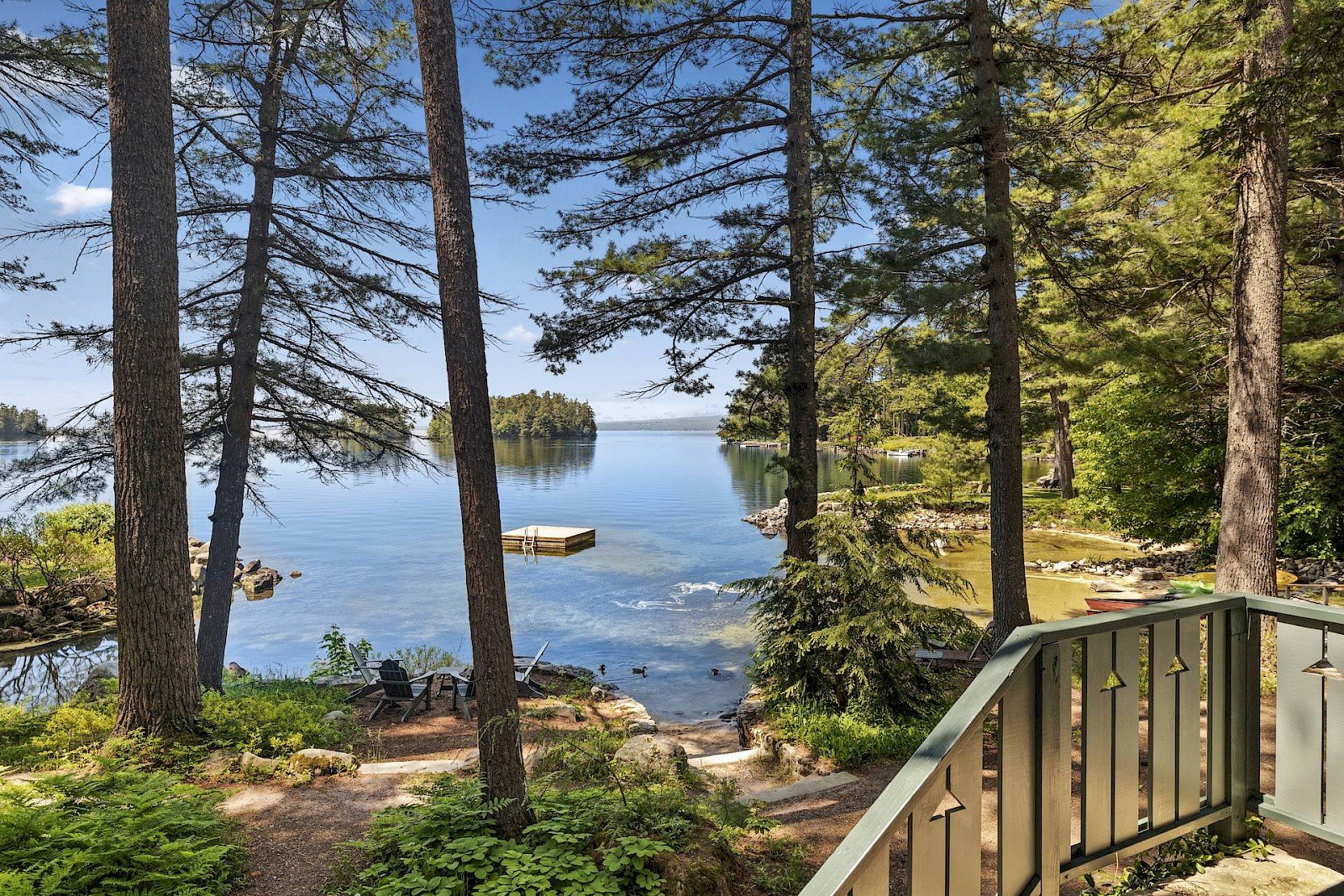
Migis Lodge on Sebago Lake
South Casco, ME
Historic lakeside cottages nestled beneath towering Maine pines create a nostalgic, quintessential New England camp setting for celebrations.
Set along the pine-lined shores of southern Maine's deepest lake, this historic property pairs classic wood-paneled lodge architecture with tranquil waterfront beauty. Couples exchange vows under a natural canopy of evergreens right at the water's edge before gathering on broad outdoor terraces or inside stone-accented dining rooms. Guests stay in private, handcrafted timber cottages warmed by fieldstone fireplaces and wake up to morning loon calls across Sebago. Golden hour boat rides and twilight dockside gatherings capture the timeless charm of a traditional Downeast summer retreat.
Flexible · intimate to 250+ guests · View venue →