Beach Venues · 10 min read
How to Plan a Beach Wedding: The Complete Seaside Planning Guide
Tides, permits, wind, sun, and sand — a practical guide to planning a beach wedding in the USA, from choosing the venue to the golden-hour timeline.

A beach wedding promises something no ballroom can: the sound of waves as your ceremony soundtrack, a horizon as your backdrop, and golden light that needs no filter. But the ocean is also an uncooperative wedding vendor — it brings tides, wind, sun, permits, and sand into your planning spreadsheet. Couples who plan a beach wedding well end up with an effortlessly beautiful day; couples who skip the logistics end up fighting the elements. This guide covers everything you need to plan a beach wedding in the USA, from choosing the right beachfront wedding venue to building a timeline around the tide chart.
1. Choose Between a Private Venue and a Public Beach
Your first decision shapes everything else. A beach wedding venue — a resort, beach club, or private estate on the sand — handles permits, chairs, restrooms, catering, and a built-in rain plan. You pay more, but you inherit an experienced events team. A public beach ceremony is budget-friendly and wonderfully simple for very small groups, but you are responsible for permits, setup, sound rules, and the reality that strangers may watch your vows. For guest counts above about 20, a dedicated beachfront venue is almost always the calmer choice.
2. Understand Permits and Local Rules
Most public beaches in the US require a special event permit for ceremonies, especially with chairs, arches, or amplified sound. Rules vary by county and municipality: some limit guest counts, ban glass, restrict setup times, or prohibit ceremonies entirely during nesting season for shorebirds and sea turtles. If you book a beach venue, the venue typically manages this. If you plan a public-beach ceremony yourself, contact the local parks department at least three to six months ahead.
3. Plan Around the Tides — Not Just the Sunset
Every couple schedules their beach wedding for sunset; few check the tide chart first. A ceremony site that is fifty feet of sand at low tide can be underwater at high tide. Look up the tide forecast for your date and location, and schedule the ceremony for a falling or low tide when the beach is widest. Then layer in light: the hour before sunset gives you the warmest, most flattering photographs. Your ideal window is where low-ish tide meets golden hour.
4. Design for Wind, Sun, and Sand
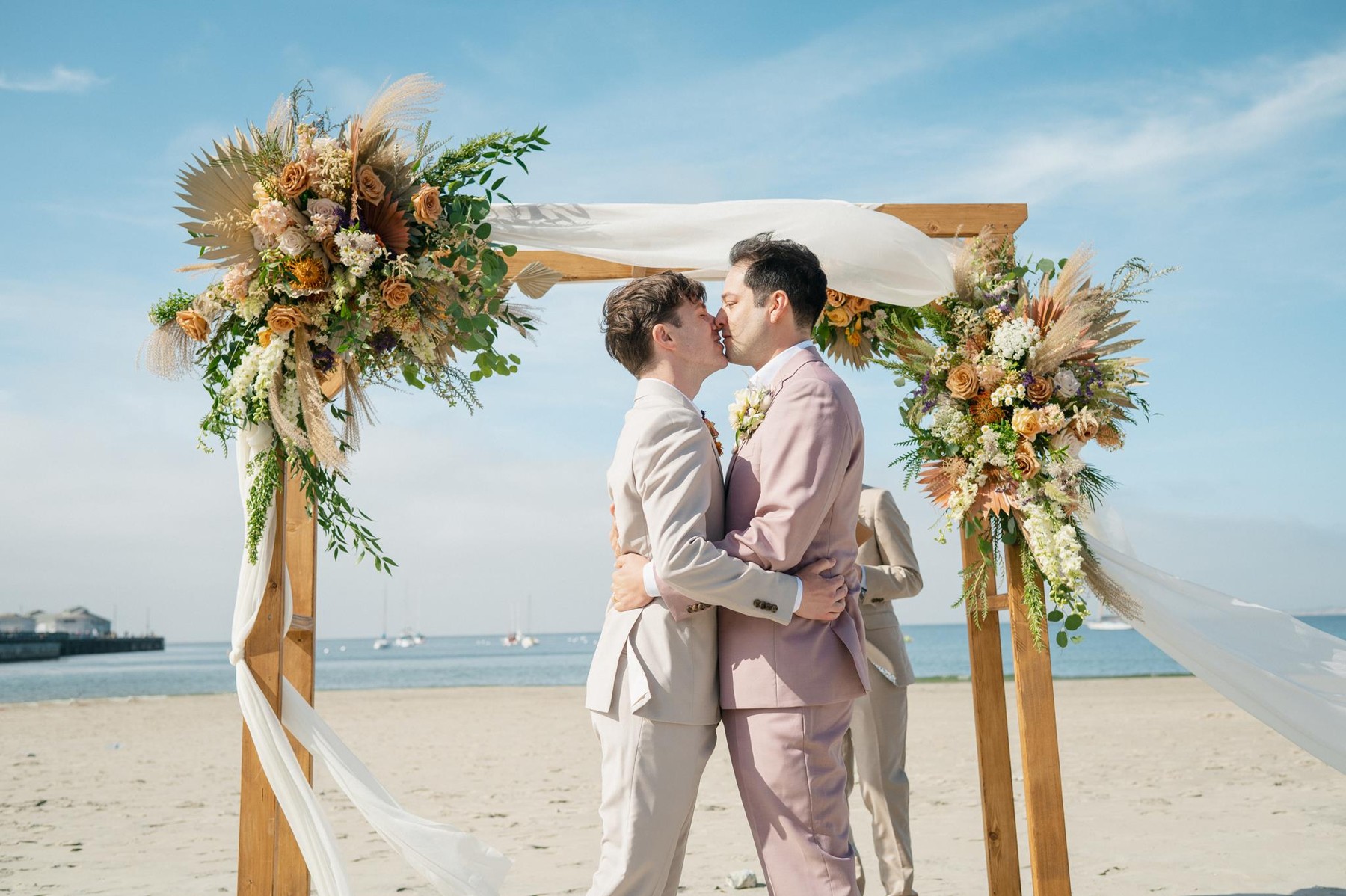
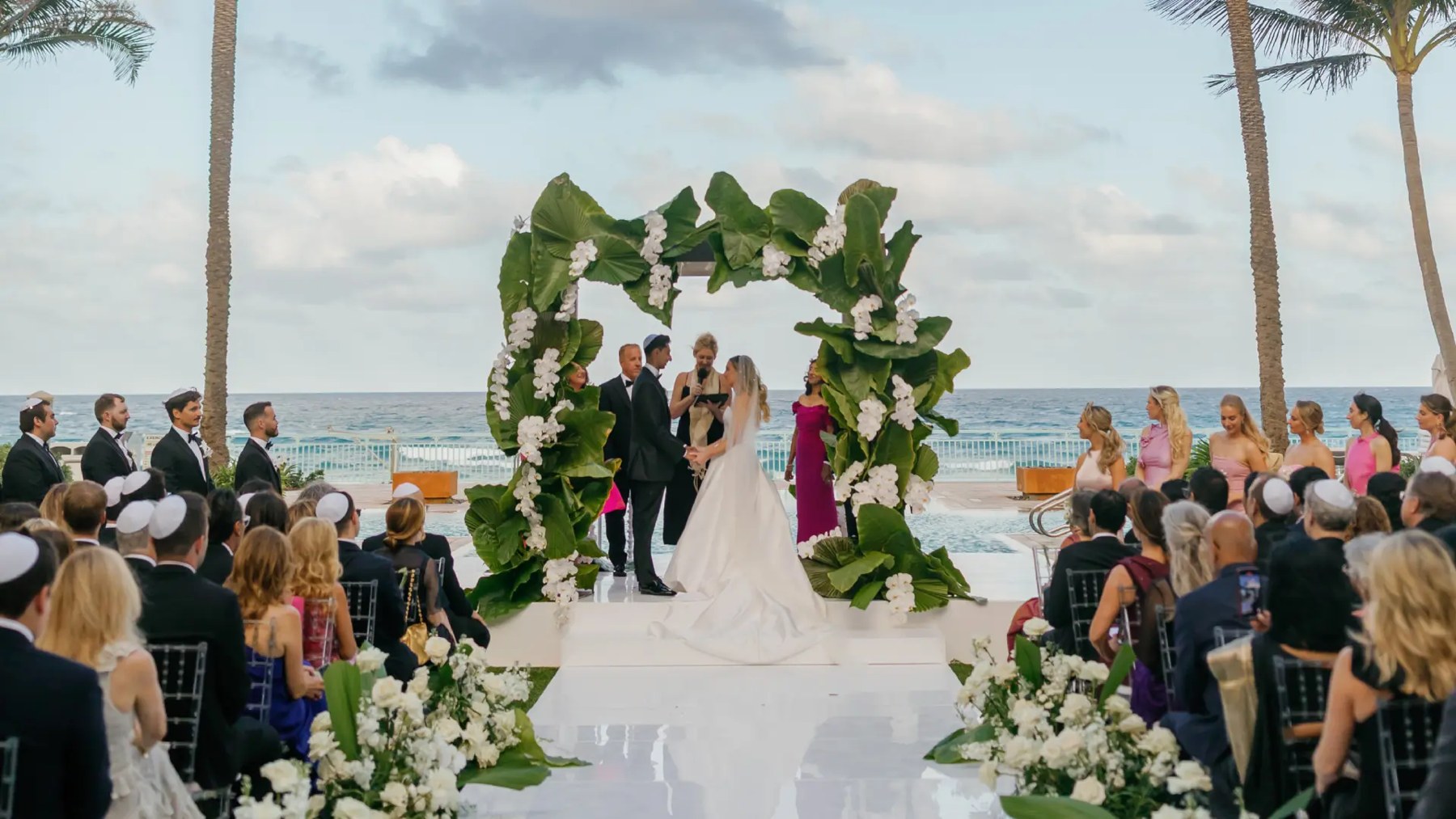
The beach environment should shape every design choice. Wind: choose a weighted arch or floral pillars instead of tall, top-heavy arrangements; skip veils that fly or embrace them for drama; use sturdy cardstock for programs rather than paper that becomes litter. Sun: provide shade for guests during the ceremony, offer water stations, and consider providing parasols or fans. Sand: communicate footwear expectations on your website or invitation — 'sand-friendly attire' tells guests to leave the stilettos at the hotel. A shoe station with brushes and flip-flops at the ceremony entrance is a small touch guests genuinely love.
5. Dress for the Setting
Beach wedding attire works best when it breathes. Brides often choose lighter fabrics — chiffon, organza, crepe — that move in the breeze rather than heavy satin ballgowns that trap heat and collect sand. Grooms look sharp in linen or lightweight wool suits, and many skip the jacket entirely. For the wedding party, mismatched dresses in a coastal palette photograph beautifully against the water. Whatever you wear, plan a bustle or a second look for the reception if your train will drag through the sand.
6. Build a Weather Backup Plan You Actually Like
Coastal weather changes fast, and 'it will probably be fine' is not a plan. The best beach wedding venues offer an indoor or tented backup that still faces the water, so a rain call at 10 a.m. costs you nothing emotionally. If your venue has no covered option, reserve a tent in advance — many rental companies require a decision deadline a week or more out. Decide your rain-call trigger and time with your planner before the wedding week, so the decision is procedural rather than panicked.
7. Think Through Sound
Waves are romantic; waves are also loud. Guests seated thirty rows back will not hear your vows over surf and wind without help. Ask your venue or DJ about a discreet ceremony sound system with lapel or handheld microphones. Many public beaches require permits for amplification, which is another argument for professional beach venues with existing equipment and permissions.
8. Craft the Guest Experience
Beach weddings often double as destination weekends, so treat your guests like travelers. Reserve hotel blocks at multiple price points, share a beach-day packing list (sunscreen, hats, layers for evening breezes), and plan welcome drinks the night before. During the reception, remember that beachfront temperatures drop after sunset — heat lamps, blankets, or a fire pit turn a chilly evening into a cozy one. Small comforts are what guests remember.
9. Plan the Timeline Around Light
A strong beach wedding timeline works backward from sunset. Place the ceremony 60–90 minutes before sunset so portraits happen in golden light, cocktails run through dusk, and dinner begins as the sky turns. Confirm your photographer knows the exact sunset time for your date and has scouted which direction the beach faces — west-facing beaches get direct sunset color; east-facing beaches get soft pastel skies, which are equally beautiful in a different way.
Frequently Asked Questions
Do you need a permit for a beach wedding? On most public US beaches, yes — especially for groups, structures, or amplified sound. What month is best for a beach wedding? Late spring and early fall balance warm weather, smaller crowds, and gentler light; hurricane season (June–November) deserves extra insurance on the Atlantic and Gulf coasts. What should guests wear? Light, breathable fabrics and sand-friendly shoes. How do you decorate a beach ceremony? Less is more — a simple arch, local greenery, and the ocean do the work.
Final Thoughts
The secret to a flawless beach wedding is respecting the setting. Choose a venue that handles permits and weather, plan around the tides and the light, and design with wind and sand in mind. Do that, and the ocean becomes the best decorator you never hired. Explore beach wedding venues across the USA on UniqueWeddingVenuesUSA.com to find the shoreline that fits your story.
Featured venues
No. 01 · Beach Wedding Venue
Montage Laguna Beach
Laguna Beach, CA
A weekend by the water in Laguna Beach, CA — easy logistics for guests who want to make a short holiday of the wedding.
Montage Laguna Beach is a beach wedding venue in Laguna Beach, CA. Couples choose it for easy logistics for guests who want to make a short holiday of the wedding. Expect coastal light, relaxed elegance and guests who linger outside long after dinner.
Flexible · intimate to 200+ guests · View venue →
No. 02 · Beach Wedding Venue
Casa Marina Key West
Key West, FL
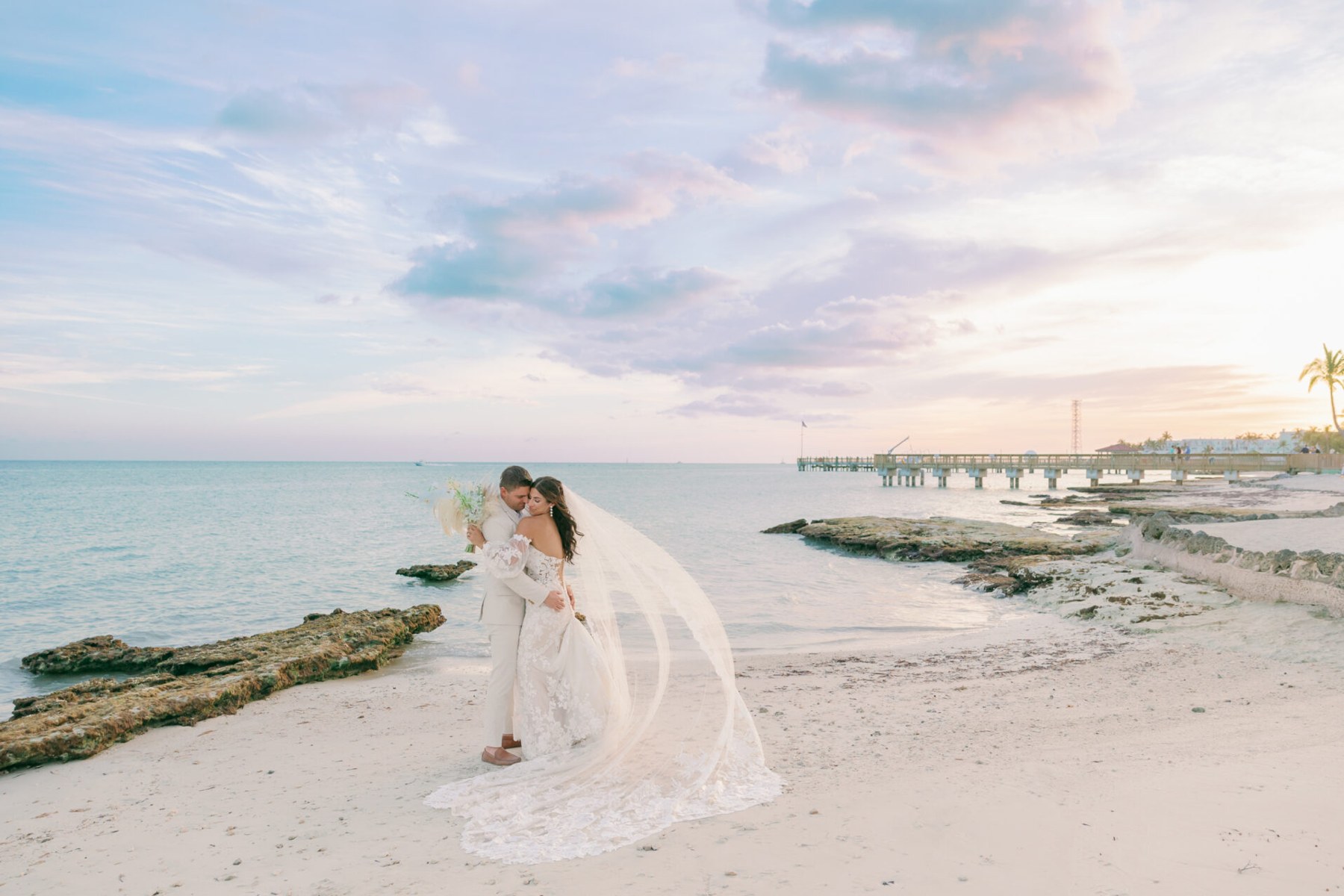
Pier-and-shoreline portraits in Key West, FL — long stretches of beach and boardwalk for portraits after the ceremony.
Casa Marina Key West is a beach wedding venue in Key West, FL. Couples choose it for long stretches of beach and boardwalk for portraits after the ceremony. Expect coastal light, relaxed elegance and guests who linger outside long after dinner.
Flexible · intimate to 200+ guests · View venue →
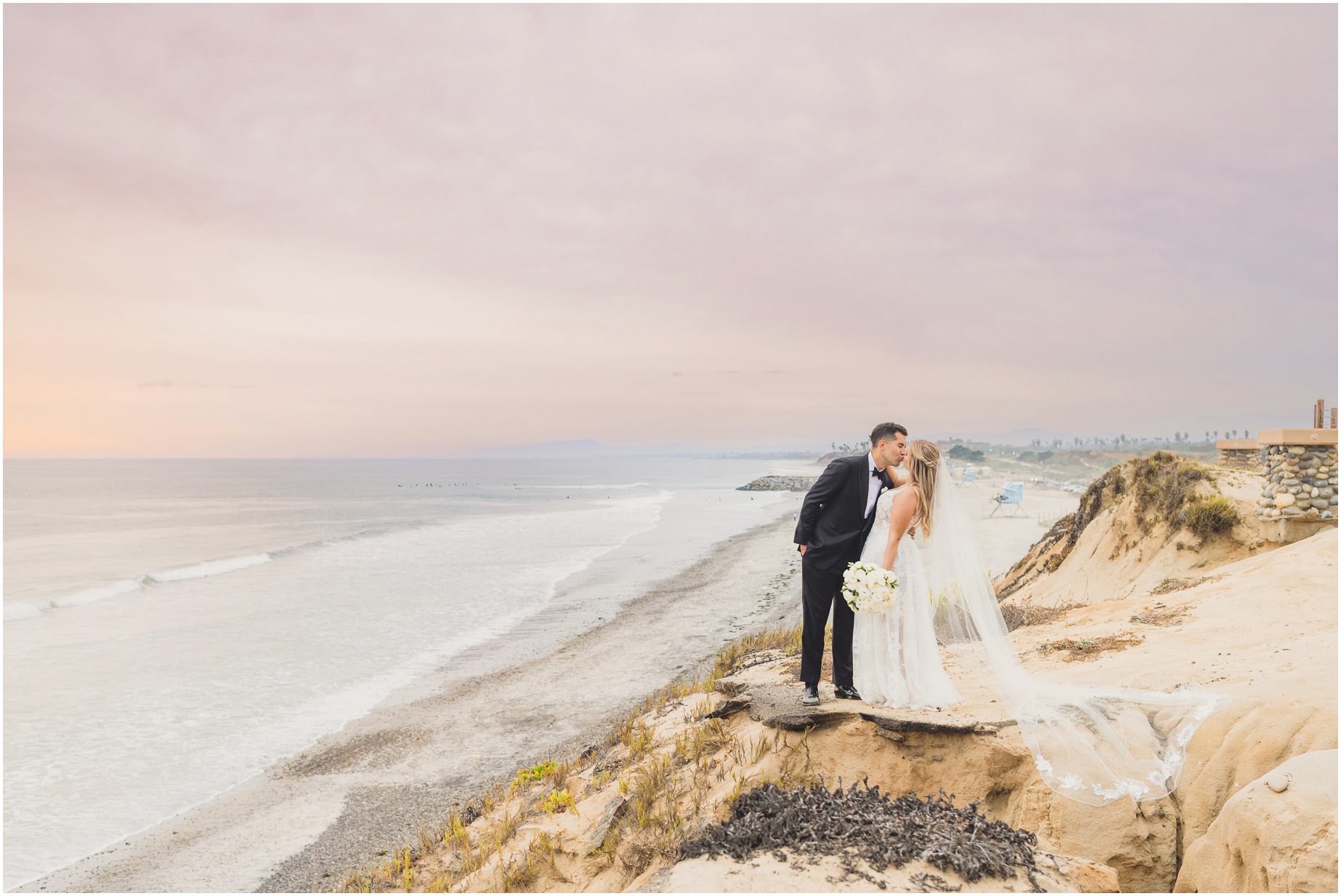
No. 03 · Beach Wedding Venue
Alila Marea Beach Resort Encinitas
Encinitas, CA
Sunset as the reception lighting in Encinitas, CA — a golden hour that does most of the decorating.
Alila Marea Beach Resort Encinitas is a beach wedding venue in Encinitas, CA. Couples choose it for a golden hour that does most of the decorating, followed by dinner with the water still in view. Expect coastal light, relaxed elegance and guests who linger outside long after dinner.
Flexible · intimate to 200+ guests · View venue →